Therapy vs. Belief Coding: Which Method Works Best?

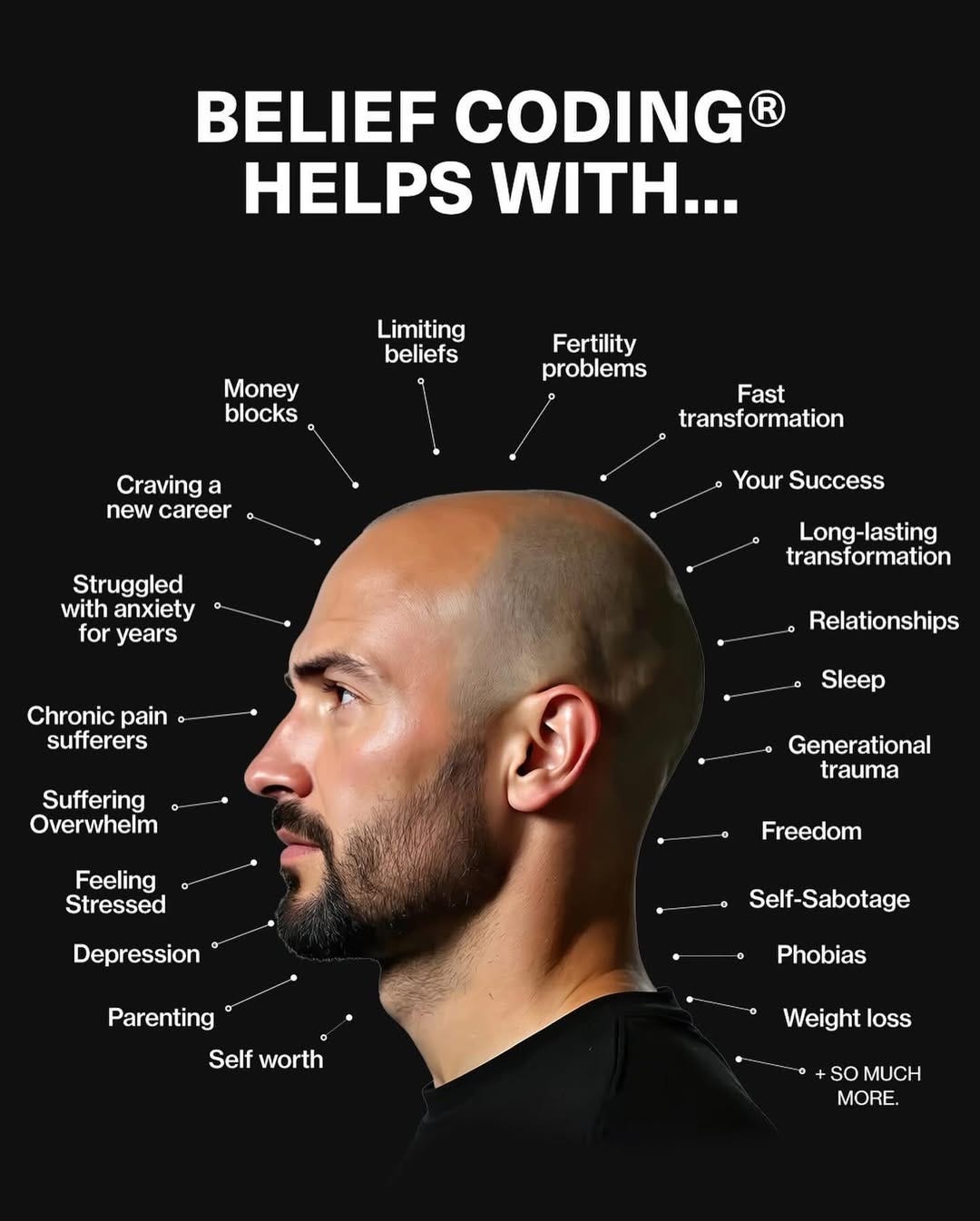
People often search for ways to heal emotional struggles and inner pain. Different methods exist, each offering unique paths toward personal growth. Some people choose therapy, while others explore newer subconscious techniques. Jessica Cunningham Belief Coding presents a method focused on internal belief patterns. This approach works by changing subconscious responses rather than surface-level thinking. Understanding both methods can help people choose a suitable healing approach. Each option supports emotional balance but follows different processes and timelines. Knowing these differences can guide better decisions for long-term transformation.
Traditional Therapy Overview
Traditional therapy means clearly talking about thoughts, feelings, and past events. A trained therapist listens and helps people understand behavior patterns in life. Sessions focus on awareness, coping skills, and methods for emotional understanding. This method takes time because it works through problems step by step. People attend sessions regularly to build progress slowly over time. Therapy helps manage anxiety, depression, and relationship related concerns in life. It focuses on conscious thinking rather than on deeper subconscious change processes. This makes it helpful for awareness, though deeper patterns may remain unchanged.
Belief Coding Approach
Belief Coding focuses on accessing the subconscious mind, where patterns are stored. It works to identify and remove limiting beliefs formed from past experiences. The process uses guided steps to locate root causes of emotional discomfort. Once identified, the emotional charge connected to those memories is released carefully. This allows the mind to break patterns that repeat without clear awareness. New beliefs are introduced to support healthier thinking and emotional responses. The goal is to create lasting change through internal transformation processes. This approach targets root issues rather than managing only visible symptoms.
Key Method Differences
Belief Coding works directly with subconscious patterns instead of conscious thinking levels. Therapy mainly focuses on conscious understanding through discussion and reflection-based sessions. Belief Coding aims to remove beliefs at the point where they formed. Therapy often manages the effects of beliefs rather than removing their original source. The process in Belief Coding may feel faster for some individuals. Therapy usually follows a gradual path that develops over longer time periods. Belief Coding uses structured steps, whereas therapy relies on flexible, conversation-based approaches.
Speed and Depth
Therapy often requires many sessions over weeks, months, or longer time periods. Progress usually depends on regular attendance and willingness to face difficult emotions. Belief Coding may create noticeable changes in fewer sessions for many individuals. This happens because it targets the source of emotional patterns directly. Depth of work in Belief Coding focuses on subconscious memory and belief structures. Therapy provides depth through understanding, reflection, and emotional expression over time. Each method offers value depending on how a person prefers to heal. Some individuals combine both approaches for broader emotional and mental support.
Choosing the Right Method
Choosing between these methods depends on personal comfort and healing goals. Some people prefer conversation-based support to understand emotions over time. Others may prefer direct methods that quickly target subconscious belief patterns. Belief Coding suits individuals wanting to remove deep internal blocks. Understanding personal needs helps in making a more informed decision. This choice can influence the direction of long term transformation journey.
Recap:
Belief Coding and therapy both offer ways to support emotional healing journeys. Each method works differently but aims to improve mental and emotional balance. People exploring options often read belief coding reviews before making decisions. These insights can provide clarity on real experiences from others. Understanding differences helps in choosing an approach that matches personal needs. Both paths require openness and commitment to achieve meaningful internal change. Selecting the right method can support long-term growth and stability. Personal transformation becomes possible when the root causes are addressed effectively.